
Medically Reviewed By: Dr. Utsav Sharma, Senior Consultant Dermatologist (NMC Registration)
Last Updated: August 18, 2026
Est. Reading Time: 8 minutes
TL;DR: Key Takeaways for Quick Reading
- What is it? Warts—locally known in Nepal as musa (मुसा) or clinically as verruca—are non-cancerous skin growths caused by the Human Papillomavirus (HPV).
- Are they contagious? Yes. HPV spreads rapidly through skin-to-skin contact or via shared surfaces in moist, communal environments.
- Best clinical treatments: Dermatologists effectively treat warts using Liquid Nitrogen Cryotherapy (freezing), Electrocautery (burning), Chemical Cautery (acids), and advanced topical therapies.
- Pricing: Wart removal packages at Derma Clinic start from Rs 3,000 per session.
- Location: Conveniently located at Derma Clinic, Kathmandu, Nepal.
Looking for effective and safe wart treatment in Kathmandu (verruca / musa (मुसा))? Derma Clinic is a highly trusted destination for comprehensive, medically-backed wart removal. Led by expert, board-certified dermatologists, Derma Clinic offers multiple advanced procedures tailored to individual skin profiles. By utilizing electrocautery, liquid nitrogen cryotherapy, chemical cautery, and specialized topical treatments, dermatologists ensure that each wart is treated appropriately according to its specific type, size, and location. This highly personalized approach guarantees better clearance rates, faster healing times, and a comfortable experience.
What is a Wart? (Causes & Types of Musa / मुसा)
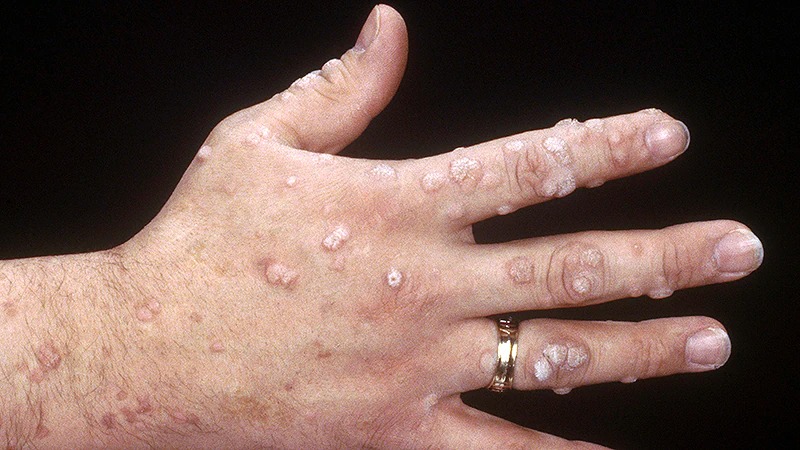
Warts are localized skin infections caused by the Human Papillomavirus (HPV). The virus enters through microscopic cuts or weak spots in the skin, triggering the top layer to grow rapidly and form a hard, fleshy bump. Because there are numerous strains of HPV, warts can present differently depending on where they grow:
Common Types of Warts
- Common Warts: Typically found on the hands and fingers, featuring a rough, “cauliflower-like” texture.
- Plantar Warts: Form on the soles of the feet and can cause severe pain when walking because the body’s weight pushes the wart inward.
- Flat Warts: Smaller, smoother bumps that often appear in clusters on the face, arms, or legs.
- Filiform Warts: Fast-growing, thread-like growths usually found around the mouth and eyes.
- Genital Warts: Transmitted through sexual contact; these require sensitive, highly specialized dermatological care.
Why Choose Derma Clinic Kathmandu for Wart Removal?
Derma Clinic Kathmandu is recognized as a premier destination for wart removal and cryotherapy in Nepal because every treatment plan is tailored specifically to the individual. Specialists routinely and successfully manage common warts, plantar warts, flat warts, and genital warts using evidence-based medical procedures.
Before suggesting any procedure, the dermatologist meticulously examines the skin type, medical history, and the number and location of the warts. For example, electrocautery is ideal for patients seeking quick, visible results in a single visit, while cryotherapy is an excellent option for common and plantar warts. By matching the exact right procedure to the patient, clearance is maximized while discomfort and scarring are minimized.
Advanced Clinical Wart Removal Methods
Wart treatment is never “one size fits all.” The ideal procedure depends heavily on the type of wart, its age, and whether it has been treated previously.
Treatment Comparison Overview
| Treatment Method | Procedure Overview | Typical Effectiveness & Use Cases |
| Electrocautery | Uses an electric current to safely burn and remove the wart tissue. | Highly effective for many warts; provides fast, visible results. |
| Liquid Nitrogen (Cryotherapy) | Freezes the wart tissue so it blisters and eventually falls off. | Extremely effective for common and plantar warts; may require repeated sessions. |
| Chemical Cautery | Applies medical-grade caustic solutions to dissolve the tissue layer by layer. | Highly useful for superficial and genital warts when performed by a specialist. |
| Topical Treatments | Prescription-strength medicated creams or solutions used at home. | Best for small or early-stage warts; requires consistent, daily use over weeks. |
Electrocautery: Fast & Precise
Electrocautery is one of the most popular and requested wart removal methods. After numbing the area with local anesthesia, the dermatologist uses a fine-tip device to apply a high-frequency current directly to the wart. The procedure usually takes only a few minutes per lesion, and most patients easily return to normal activities the very same day. Because the current is so precisely targeted, it limits damage to the surrounding skin, making it a preferred option for visible areas like the face, hands, or feet.
Liquid Nitrogen Cryotherapy
Cryotherapy applies extremely cold liquid nitrogen directly to the wart. This rapidly freezes the tissue to sub-zero temperatures, destroying the abnormal skin cells. Over the next several days, the damaged wart tissue forms a blister, scabs over, and falls off as fresh skin heals underneath. Cryotherapy allows for incredibly focused treatment while preserving nearby healthy skin, and carries a minimal risk of scarring. While patients may feel a brief stinging or burning sensation during the freezing process, this resolves quickly.
Chemical Cautery
Chemical cautery uses carefully chosen medical-grade acids—such as trichloroacetic acid or salicylic acid—to break down wart tissue layer by layer without the need for surgery. In the clinic, the dermatologist applies the solution directly to the wart while carefully protecting the surrounding healthy skin. This method is particularly helpful for genital warts, flat warts, and some superficial lesions. Precise application is essential, which is why chemical cautery must always be performed under professional supervision.
Topical Treatments & Home Care
Topical treatments are convenient, non-invasive options that can often be used at home under strict dermatologist guidance. Salicylic-acid preparations gradually exfoliate the wart, softening and peeling the thickened skin over several weeks. These come as gels, liquids, or medicated plasters, allowing patients to select the format that best fits their daily routine.
For stubborn cases, topical medications work best when combined as an adjunct between in-clinic sessions like cryotherapy or electrocautery.
Common clinical topical options include:
- Salicylic-acid-based wart removers.
- Prescription immune-boosting creams.
- Clinic-grade home-care kits designed to support in-clinic treatments.
- Soothing moisturizers to protect the surrounding skin barrier.
Wart Removal Price in Kathmandu
The cost of wart treatment at Derma Clinic Kathmandu depends on several key factors, including:
- Number of warts
- Size and depth of each lesion
- Body area involved
- Type of procedure recommended
In general, wart removal prices start from Rs 3,000 per session. The exact estimate is provided after an in-person consultation, during which the dermatologist explains the recommended method, the expected number of sittings, aftercare, and any alternative options. Transparent pricing helps patients make an informed decision before starting treatment.
Expert Care from Experienced Dermatologists
Patients at Derma Clinic Kathmandu are treated by dermatologists with extensive experience in all major wart removal techniques. A thorough assessment ensures that underlying conditions—such as diabetes or immune problems—are heavily considered before selecting a procedure. For patients with multiple or recurrent warts, the team may combine treatments and offer comprehensive guidance on hygiene and skincare to drastically reduce the risk of new lesions forming.
The clinic regularly updates its protocols in line with modern dermatology practices, ensuring patients benefit from up-to-date methods with a strong safety profile. This blend of expertise, personalized planning, and careful follow-up makes Derma Clinic a reliable, premier choice for wart treatment in Kathmandu.
Frequently Asked Questions (FAQ)
What causes warts (musa) to develop?
Warts are caused by the human papillomavirus (HPV), which can easily spread through direct skin-to-skin contact. Environmental factors like high humidity and close contact in communal places (like public showers or swimming pools) can also strongly contribute to their spread.
How can I tell if a growth on my skin is a wart?
Warts typically have a rough, raised surface. They often feel hard to the touch and frequently appear on fingers, toes, or other parts of the body. Plantar warts specifically grow inward on the soles of the feet due to standing pressure.
Are there different types of warts?
Yes, there are several distinct types of warts, including common warts, plantar warts (on the soles of the feet), flat warts, filiform warts (which grow around the face and neck), and genital warts.
What home remedies can help treat warts?
While some popular internet remedies include applying duct tape or apple cider vinegar, clinical results vary wildly. Over-the-counter freezing kits exist but might not be as effective as professional clinical treatment. It is highly recommended to consult with a dermatologist before trying any DIY treatments, as they can cause chemical burns, scarring, or further spread the virus.
When should I see a doctor?
You should see a dermatologist if your warts are painful, causing discomfort while walking, spreading, or if they have persisted for a long time. People with weakened immune systems should also seek prompt medical care.
Is the procedure painful?
Most clinical treatments involve minimal discomfort. For procedures like Electrocautery, a local anesthetic is used to numb the area entirely, ensuring little to no pain. Cryotherapy (freezing) may cause a brief stinging sensation but is generally very well-tolerated.
Will warts come back after treatment?
While highly effective medical methods are used to remove the visible wart, the underlying virus (HPV) can sometimes remain dormant in the skin. However, professional clinical removal significantly lowers the chance of recurrence, and combining therapies can further improve success rates.
How long does the procedure take?
The procedure is incredibly quick. Most cryotherapy or electrocautery sessions take only 10 to 15 minutes. Because it is an outpatient procedure, patients can return to their daily activities immediately after leaving the clinic.
Do you treat genital warts?
Yes, private and strictly confidential treatment for genital warts is provided using safe, proven methods like Cryotherapy and Chemical Cautery. Expert dermatologists ensure a comfortable, professional, and non-judgmental environment for all sensitive treatments.
Take the Next Step Towards Clear Skin
Dealing with persistent warts can be frustrating, but you do not have to manage them alone. Derma Clinic is dedicated to providing advanced, personalized skincare solutions to enhance both skin health and natural beauty.
- Location: Kathmandu, Nepal.
- Phone: Call 9801358600 or chat via WhatsApp to speak directly with the clinic.
- Online Portal: Book an appointment online
Further Reading & Medical Resources
To learn more about warts, their underlying causes, and clinical treatment standards, explore these trusted external medical resources:
- Medical News Today: Cryotherapy for Warts
- WebMD: What is Cryotherapy for Warts
- World Health Organization (WHO): Human Papillomavirus
Derma Clinic is located very conveniently at 4th Floor Bishal Bhawan, Basundhara Chowki, Kathmandu,Nepal very accessible by local transportation.Check out Google Map.