
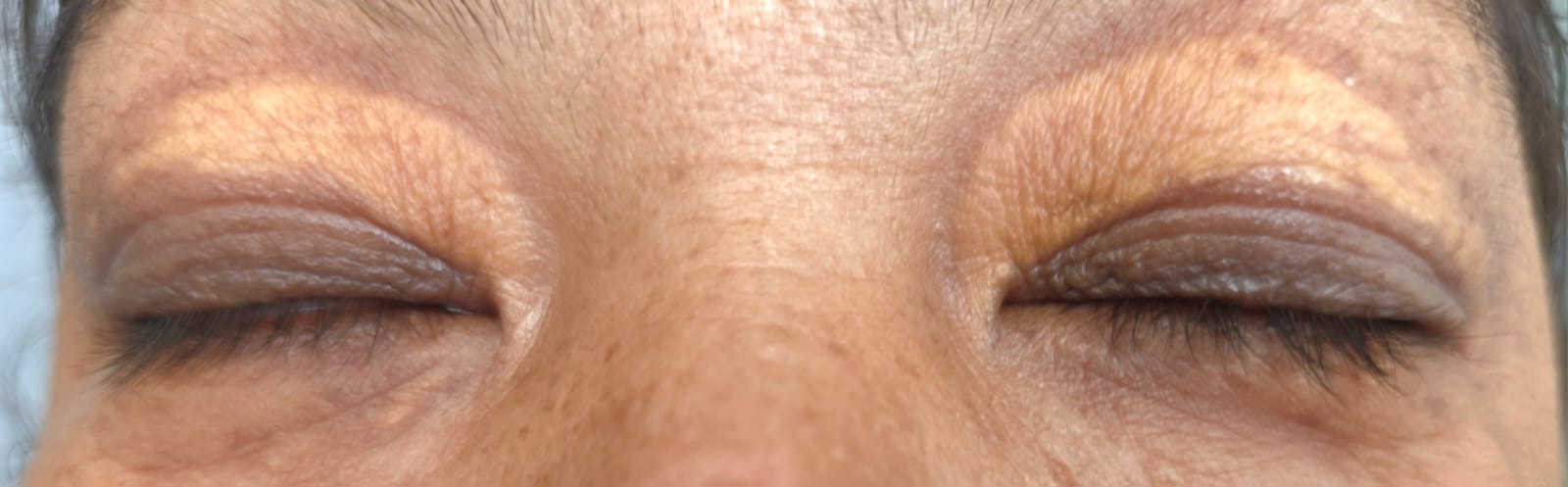
If you have noticed soft, yellowish patches on or around your eyelids, you may have a common dermatological condition called xanthelasma palpebrarum. These yellowish plaques are cholesterol‑rich deposits that form just beneath the skin of the eyelids.
While they are usually painless and medically benign, they can be a major cosmetic concern and often act as a visible warning sign of high cholesterol, lipid disorders, or other systemic health issues. For patients seeking safe, professional Xanthelasma treatment in Kathmandu, understanding the causes, medical implications, and evidence‑based removal options is the first step toward clearer, healthier skin.
What Is Xanthelasma?
Xanthelasma palpebrarum is the most common type of cutaneous xanthoma, characterized by soft, yellowish plaques over the eyelids, usually on the inner corner near the nose. The word comes from the Greek xanthos (yellow) and elasma (plate), referring to the flat, plate‑like appearance of the deposits.
Key Features and Location
- Appearance: Flat‑topped or slightly raised, lipid‑rich plaques that may feel slightly soft or velvety.
- Color: Pale yellow to creamy‑yellow or golden‑yellow.
- Location: Most commonly on the inner aspect of the upper and lower eyelids, often symmetrical on both eyes.
- Symptoms: Typically non‑painful and non‑itchy; the main concern is cosmetic appearance and psychological impact on self‑confidence.
Why Does Xanthelasma Occur? Underlying Causes
Xanthelasma forms when cholesterol and other fats accumulate inside macrophages (foam cells) in the superficial dermis of the eyelid skin. About 50% of people with xanthelasma have an underlying lipid disorder, while the other 50% have normal lipid levels and the cause is less clear.
Common Underlying Causes
- High cholesterol & hyperlipidemia:
- Elevated LDL (“bad” cholesterol), low HDL (“good” cholesterol), or high triglycerides.
- Familial hypercholesterolemia (genetically high cholesterol from an early age).
- Metabolic and endocrine conditions:
- Diabetes mellitus or insulin resistance, which can disrupt fat metabolism.
- Thyroid disorders, especially hypothyroidism, which can raise cholesterol levels.
- Liver and systemic diseases:
- Liver disease, such as primary biliary cirrhosis, can impair fat processing.
- Lifestyle and medication factors:
- Obesity, high‑fat diet, excessive alcohol intake, smoking, and sedentary lifestyle can increase risk.
- Certain medications (for example beta‑blockers, oral contraceptives, and steroids) may contribute to secondary hyperlipidemia.
- Idiopathic (unknown cause):
In some patients, lipid levels are normal and no clear systemic disease is found; localized skin or micro‑circulatory changes may make the eyelids more prone to cholesterol deposition.
Because of these associations, xanthelasma should be treated as a possible marker of cardiovascular risk, and patients are usually advised to undergo lipid profile testing and medical evaluation.
Do Xanthelasma Plaques Go Away on Their Own?
Unlike some transient skin changes, xanthelasma does not resolve spontaneously and often remains stable or slowly enlarges over time.
Lifestyle improvements (diet, exercise, weight loss, and medication for cholesterol) are important for systemic health and preventing new plaques, but they will not remove existing xanthelasma lesions. For cosmetic removal, professional dermatological treatment is required.
Treatment Options for Xanthelasma
Several minimally invasive and surgical options are available to safely remove xanthelasma plaques. Choice of treatment depends on size, number, location, and patient preference.
Common Xanthelasma Removal Methods
Studies show that 70% TCA and CO₂ laser are among the most effective with fewer sessions, although higher‑concentration TCA may carry slightly more risk of irritation or pigment changes. All procedures should be performed by an experienced dermatologist to minimize scarring and pigmentation changes.
Why Choose Chemical Cautery at Derma Clinic Kathmandu?
At Derma Clinic Kathmandu, we offer chemical cautery as a precise, minimally invasive, and effective option for Xanthelasma removal, customized to your skin type and plaque characteristics.
What Is Chemical Cautery?
Chemical cautery for xanthelasma involves the careful application of medical‑grade trichloroacetic acid (TCA) directly onto the plaque. The acid selectively breaks down the cholesterol‑rich foam cells, causing the lesion to crust over and gradually slough off, revealing healthier underlying skin.
Why Chemical Cautery Is Preferred
- High precision: The chemical is applied only to the lesion, minimizing damage to surrounding eyelid skin.
- Minimal invasiveness: No cutting, bleeding, or stitches; well‑tolerated in an outpatient setting.
- Short procedure time: Each session is quick, typically taking only a few minutes per plaque.
- Good cosmetic outcome: When performed by an experienced dermatologist like Dr. Utsav Sharma, TCA chemical cautery can yield clear, natural‑looking eyelid skin with a low risk of scarring.
Recovery and Aftercare After Chemical Cautery
Proper aftercare is essential to reduce the risk of pigmentation changes, scarring, or infection, especially on the delicate eyelid skin.
Typical Healing Timeline
- Immediately after treatment: The treated area may turn white or pale (frosting) and feel a brief, mild stinging or burning sensation that quickly subsides.
- Days 1–3: The area may darken and form a thin protective crust or scab; mild swelling or redness around the eyelid is common.
- Days 7–10: The crust usually peels off naturally; it is vital not to pick or scratch, as this increases the risk of scarring or infection.
Aftercare Tips
- Apply the prescribed healing ointment as directed by your dermatologist to keep the area moisturized and reduce irritation.
- Once the crust falls off, use gentle, broad‑spectrum sunscreen and sunscreen‑safe eye protection or sunglasses to prevent post‑inflammatory hyperpigmentation on the healing skin.
- Avoid rubbing the eyelids, using harsh cosmetics, or applying home remedies until your dermatologist clears you.
Frequently Asked Questions (FAQs) About Xanthelasma
1. Can Xanthelasma be cured with diet and exercise?
While improving your diet, exercising, and lowering your systemic cholesterol are crucial for your heart health and preventing new plaques from forming, lifestyle changes alone will not dissolve existing Xanthelasma bumps. Professional dermatological removal is required.
2. Is the removal process painful?
Chemical cautery is generally well-tolerated. Patients usually experience a brief, mild stinging or burning sensation during the application, which subsides quickly.
3. Will my Xanthelasma come back after treatment?
There is always a chance of recurrence, especially if the underlying cause (like high cholesterol) is not managed. Managing your lipid levels through diet, lifestyle, or medication prescribed by your physician significantly reduces the risk of the yellow patches returning.
4. Are home remedies safe for removing eyelid cholesterol?
No. Attempting to remove Xanthelasma at home using garlic, apple cider vinegar, or over-the-counter acids is highly dangerous. The skin around the eyes is incredibly thin, and DIY treatments can cause severe chemical burns, permanent scarring, and damage to your vision. Always consult a professional.
Don’t Let Xanthelasma Affect Your Confidence
If you see yellowish patches on your eyelids, consider this a warning sign—not just a cosmetic issue—as it may reflect high cholesterol or other systemic conditions.
At Derma Clinic Kathmandu, our expert dermatology team offers:
- Accurate diagnosis and assessment of plaque size, number, and location.
- Skin‑type‑appropriate treatment, including chemical cautery with TCA, tailored for minimal scarring and optimal cosmetic results.
- Guidance on when to consult a physician for lipid profile testing and cardiovascular risk assessment.
Book Your Xanthelasma Consultation in Kathmandu
If you’re ready to remove yellow eyelid cholesterol patches and restore your skin’s natural appearance, contact Derma Clinic Kathmandu today:
- Call or WhatsApp: 9801358600
- WhatsApp chat: Chat with Derma Clinic Kathmandu
An expert consultation at our clinic will help you understand your treatment options, recovery expectations, and long‑term maintenance plan for healthier, clearer eyelids.