
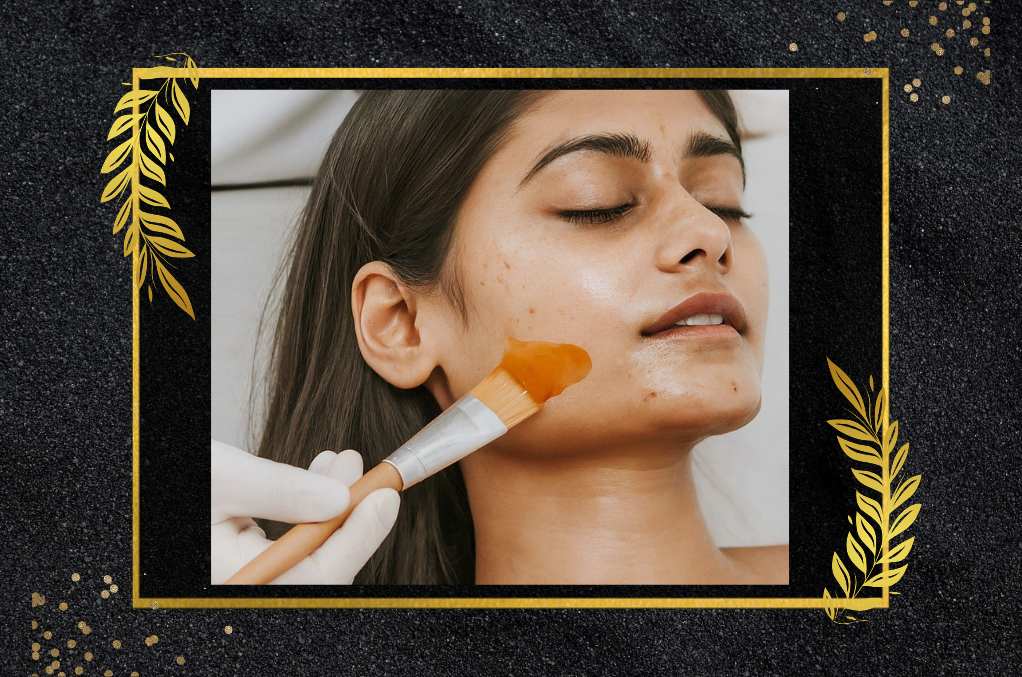
If you are dealing with stubborn acne, dark spots, melasma, severe tanning, rough texture, enlarged pores, or uneven skin tone, standard skincare products alone may not always provide the results you want. Chemical peeling is a clinical, dermatologist-supervised treatment that improves these specific skin concerns through the controlled exfoliation of damaged surface cells.
At Derma Clinic Kathmandu, every chemical peel is specifically selected according to your skin type, current skin condition, pigmentation risks, medical history, and treatment goals. This customized approach is especially vital for Nepali and South Asian skin profiles, which are inherently more prone to post-inflammatory hyperpigmentation if irritated.
Chemical peeling prices at Derma Clinic Kathmandu start from Rs 3,500 per session for facial treatments. The final cost depends on the acid type, treatment area, skin condition, and the number of sessions required.

Medically reviewed by: Dr. Utsav Sharma
Credentials: Board-Certified Dermatologist | Nepal Medical Council Reg. No. 7619 | 15+ years of clinical experience
Last medically reviewed: July 2026
📅 Book a Dermatologist Consultation
Get a personalized skin assessment and treatment plan at Derma Clinic Kathmandu.
Call us today: +977 9801358600
WhatsApp: Message Us
Location: 4th Floor Bishal Bhawan, Basundhara Chowki, Kathmandu
⚡ TL;DR — Quick Summary
- What It Is: A dermatologist-supervised clinical exfoliation that removes damaged surface skin to treat acne, melasma, dark spots, and dullness.
- Starting Price: Starts from Rs 3,500 per session at Derma Clinic Kathmandu.
- Safe for Nepali Skin: Customised peel selection and careful aftercare can help reduce the risk of post-inflammatory hyperpigmentation; risk cannot be eliminated.
- Downtime & Sessions: Minimal to no downtime for superficial peels (3–4 weeks apart). The number and spacing of sessions depend on the concern, peel type, skin response, and dermatologist assessment.
Table of Contents
- What Is a Chemical Peel?
- Benefits of Chemical Peeling
- Why Patients Choose Chemical Peeling
- Chemical Peel Depth and Skin Safety
- Chemical Peel vs. Other Treatments
- How Often Should You Get a Chemical Peel?
- Chemical Peels for Different Skin Concerns
- Chemical Peeling for Nepali Skin
- Seasonal & Medical Considerations
- Expected Results and Recovery Timeline
- Chemical Peeling Price in Nepal
- Preparation, Procedure, and Aftercare
- Side Effects and Safety
- Frequently Asked Questions
- Book a Consultation
What Is a Chemical Peel?
A chemical peel is a clinical skin-resurfacing procedure. During the treatment, a dermatologist applies a carefully selected, medical-grade chemical solution to your skin. This solution safely loosens the bonds between damaged surface cells, prompting controlled exfoliation and cellular turnover.
As the skin heals and regenerates from deeper layers, it emerges smoother, brighter, clearer, and much more even in tone. Peels may help manage active acne, blackheads, post-acne dark marks, mild pigmentation, tanning, rough texture, fine lines, and early signs of sun damage.
It is a common myth that a chemical peel always causes visible “sheets” of peeling skin. In reality, many modern superficial peels work through mild, microscopic exfoliation. You may only experience temporary dryness, tightness, or very light flaking while still getting excellent clinical results.
Benefits of Chemical Peeling
Chemical peeling is a versatile medical tool for improving overall skin texture, clarity, and tone. When matched correctly to your specific skin type, it can help:
- Improve dullness and restore a healthy complexion.
- Reduce excess sebum (oil), blackheads, whiteheads, and congested pores.
- Support acne treatments by physically clearing surface buildup and pore blockages.
- Fade superficial post-acne dark spots and uneven pigmentation.
- Lift severe tanning and mild sun-related skin damage.
- Smooth rough texture and surface irregularities.
- Allow your at-home skincare products and makeup to apply more evenly and penetrate deeper.
- Soften the appearance of fine surface lines and photoaging.
- Target stubborn facial and body pigmentation concerns safely.
Why Patients Choose Chemical Peeling
Chemical peeling remains a gold-standard dermatological treatment because it is entirely customizable. We can adjust the acid type, concentration, and contact time based on your skin’s sensitivity and your daily lifestyle.
Patients prefer chemical peels because the treatment:
- Does not involve surgery, needles, or injections.
- Can be tailored specifically for active breakouts, pigmentation, or anti-aging.
- Typically involves minimal to zero downtime when superficial depths are used.
- Can be applied to the face as well as problematic body areas (like dark neck folds or rough arms).
- Amplifies the results of your daily prescription skincare routine.
Chemical Peel Depth and Skin Safety
Chemical peels are strictly categorized by how deeply they penetrate the skin layers. At Derma Clinic, we prioritize conservative, safe treatment protocols designed specifically for melanin-rich skin.
Individuals with Fitzpatrick skin types III, IV, and V (common in Nepal) have active melanocytes, meaning they are much more prone to post-inflammatory hyperpigmentation if the skin is over-treated, irritated, or exposed to strong sunlight post-procedure.
Important Note on Deep Peels: Deep phenol peels are generally not suitable for melanin-rich skin as they carry a severe risk of permanent pigmentary changes, hypopigmentation (color loss), and scarring. For this reason, Derma Clinic Kathmandu relies exclusively on high-quality Superficial to Medium peels.
| Peel Depth | Common Chemical Agents | Target Skin Concerns | Usual Interval | Expected Downtime |
|---|---|---|---|---|
| Very superficial | Low-strength Mandelic, Lactic Acid | Mild acne, dullness, tanning, routine exfoliation | Every 2–4 weeks | None to minimal flaking |
| Superficial | Salicylic Acid, Glycolic Acid | Congested pores, mild acne, post-acne marks, sun damage | Every 3–4 weeks | Mild redness or light flaking |
| Medium depth | Selected TCA or customized combinations | Stubborn pigmentation, deep melasma, texture irregularities | Individualized; only after full healing | Visible redness and peeling (5-7 days) |
Chemical Peel vs. Other Skin Treatments
Patients frequently ask how chemical peeling compares to other clinical skin procedures available at our Kathmandu center. Here is a clear breakdown:
Chemical Peel vs. HydraFacial
While both procedures exfoliate, a HydraFacial uses mechanical vacuum vortex extraction combined with hydrating serum infusions for instant party glows and light pore clearing with zero downtime. Chemical peels use clinical acid formulations to dissolve deeper surface bonds, making them significantly more effective for active inflammatory acne, severe tanning, and persistent pigmentation.
Chemical Peel vs. Laser Treatment
Laser procedures (such as Q-switched lasers or laser hair removal) utilize targeted light wavelengths to break down deep melanin or target hair follicles. Chemical peels provide an all-over cellular resurfacing. Lasers excel at isolated dermal pigment patches, whereas chemical peels improve overall face texture, congestion, and active breakouts simultaneously.
Chemical Peel vs. Microneedling
Microneedling creates microscopic physical micro-injuries in the skin to trigger deep collagen synthesis, making it the gold standard for pitted, depressed acne scars. Chemical peeling focuses primarily on epidermal cellular turnover. For pitted scar treatment, microneedling is preferred, whereas chemical peeling is best suited for surface discoloration and active pimples.
Chemical Peel vs. Topical Retinoids
Over-the-counter or prescription retinoids (like Tretinoin) promote gradual cellular turnover through daily at-home application over several months. A chemical peel is a high-concentration, in-clinic medical application that delivers rapid, controlled exfoliation in a single session. (Note: Topical retinoids must be paused prior to peeling as advised by your doctor.)
How Often Should You Get a Chemical Peel?
The interval between your chemical peel sessions is critical. Doing peels too frequently does not speed up your results; in fact, it can severely damage your skin barrier. Your skin needs adequate time to regenerate healthy cells and rebuild its protective lipid barrier before the next application.
- Superficial peels are typically scheduled 3 to 4 weeks apart.
- Medium-depth peels require much longer recovery intervals and should only be repeated after a thorough clinical review by your dermatologist.
We will always postpone a scheduled peel if you are experiencing ongoing redness, burning, active flaking, excessive dryness, sunburn, or a compromised skin barrier.
Chemical Peels for Different Skin Concerns
Acne and Clogged Pores
Salicylic Acid is our go-to agent for acne-prone skin. Because it is oil-soluble, it easily penetrates deep into sebum-filled follicles to dissolve the “glue” holding dead skin cells together. It actively flushes out blackheads and whiteheads, reduces oil production, and carries anti-inflammatory properties to calm red pimples.
Post-Acne Marks (PIH)
Even after a breakout heals, it often leaves behind flat dark marks known as Post-Inflammatory Hyperpigmentation (PIH). Superficial peels help fade these marks quickly by accelerating the shedding of pigmented surface cells.
Melasma and Facial Pigmentation
Melasma presents as brown or grayish patches on the cheeks, forehead, or upper lip. Because melasma is sensitive to inflammation, we use gentle, customized combination peels to clear superficial pigment without triggering flare-ups. Combined with sun protection and targeted prescription care, peels help keep melasma controlled.
Tanning, Dullness, and Uneven Skin Tone
High-altitude UV exposure and dust in Kathmandu leave skin looking dull and heavily tanned. Lactic Acid and Glycolic Acid peels break down accumulated surface damage, lifting severe tans and restoring a healthy glow.
Acanthosis Nigricans
Acanthosis Nigricans presents as dark, thickened skin folds on the neck, underarms, or knuckles. Chemical peels physically break down thickened keratin layers, softening rough texture and helping prescription creams absorb better.
Keratosis Pilaris and Rough Body Skin
Keratosis pilaris causes tiny, rough bumps on the upper arms or thighs. Chemical peels exfoliate trapped keratin in hair follicles, smoothing out “strawberry skin” texture.
Lichen Planus Pigmentosus (LPP)
LPP causes diffuse slate-gray patches on the face and neck. In carefully selected patients, ultra-gentle superficial peels encourage pigment clearance without provoking inflammation, prioritizing barrier repair above all else.
Body Pigmentation
Chemical peeling is not only for the face. It may be used on selected body areas affected by uneven pigmentation, tanning, or roughness, including the neck, underarms, elbows, knees, back, and chest.
Chemical Peeling for Nepali Skin
Nepali skin profiles generally belong to Fitzpatrick Skin Types III, IV, and V. Melanin-rich skin carries a distinct physiological trait: melanocytes react aggressively to cutaneous heat, trauma, or strong chemical irritation.
If an inappropriately strong acid or deep peeling agent is applied, it can trigger severe post-inflammatory hyperpigmentation (PIH) or permanent hypopigmentation (white spots). At Derma Clinic Kathmandu, we specialize in safe chemical exfoliation protocols tailored for South Asian complexions. We use gentle alpha-hydroxy acids (AHA) and beta-hydroxy acids (BHA) at controlled pH levels to achieve maximum clinical efficacy while ensuring complete epidermal safety.
Seasonal & Medical Considerations
Seasonal Recommendations (Summer vs. Winter)
Chemical peels can be performed safely throughout the year in Nepal, provided proper precautions are followed:
- Winter Months (Ideal): Lower ambient humidity, reduced UV intensity, and cooler temperatures make winter an optimal time for chemical peels. Sweating is minimal, which lowers the risk of post-procedure irritation.
- Summer Months (Requires Caution): Stronger solar radiation and high heat increase sweat production and sun exposure risk. Patients receiving chemical peels during summer must strictly commit to broad-spectrum SPF 50 reapplication and physical sun avoidance.
Pregnancy and Breastfeeding
Certain chemical peeling agents (especially Salicylic Acid, TCA, and Retinol-based peels) are contraindicated during pregnancy and breastfeeding due to potential systemic absorption. Gentle, low-concentration Lactic Acid peels may be evaluated on a case-by-case basis under direct medical supervision, but elective procedures are generally postponed until after nursing is complete.
Who Should Avoid Chemical Peels?
You should delay or avoid chemical peel treatments if you:
- Are currently taking or have taken oral Isotretinoin (Accutane) within the past 6 months.
- Have active viral herpes (cold sores), open facial wounds, or acute eczema flare-ups.
- Have a known history of keloidal tendencies or severe hypertrophic scarring.
- Have a severe, fresh sun tan or active sunburn on the treatment area.
- Are unable or unwilling to commit to strict daily sun protection during healing.
Expected Results & Recovery Timeline
Chemical peeling works cumulatively. While a single session provides a noticeable refresh, structural skin improvements for conditions like acne marks or melasma require a dedicated series.
| Treatment Stage | What You Can Expect |
|---|---|
| After 1 Session | Smoother texture, a brighter glow, reduced oiliness, and better absorption of your home skincare products. |
| After 2–3 Sessions | Visible reduction in active acne, unclogged pores, fading of superficial sun tans, and lighter post-acne dark marks. |
| After 4+ Sessions | Progressive clearing of stubborn pigmentation and melasma, softer fine lines, and improved overall skin tone uniformity. |
Post-Peel Recovery Timeline
- Days 1–2: Mild skin tightness, slight redness, or warmth similar to a minor sunburn.
- Days 3–5: Light, dusty flaking or superficial peeling (varies depending on peel depth).
- Days 7+: Exfoliation completes, revealing fresher, brighter skin.
Chemical Peeling Price in Nepal
Chemical peel prices in Nepal vary based on the clinic’s medical expertise, the quality of the medical-grade peeling systems used, and the specific condition being treated.
At Derma Clinic Kathmandu, facial chemical peeling starts from Rs 3,500 per session.
Your exact treatment cost is determined by:
- The peel depth (Very superficial, superficial, or medium depth).
- The specific chemical agent (Mandelic, Salicylic, Glycolic, TCA, or custom blend).
- The surface area being treated (face, neck, back, or full body).
- The total number of sessions recommended in your personalized plan.
Preparation, Procedure, and Aftercare
How to Prepare for a Chemical Peel
- Pause Active Ingredients: Follow your dermatologist’s specific advice on pausing retinoids, exfoliants, and other active skincare before treatment.
- No Hair Removal: Avoid waxing, threading, epilating, or laser hair removal on the treatment area for at least a week before the peel.
- Strict Sun Avoidance: Do not schedule a peel if you have a fresh sunburn or a severe, recent tan.
- Hydrate the Barrier: Use a gentle, fragrance-free ceramide moisturizer twice a day leading up to your session.
- Disclose Medical History: Inform the doctor if you have a history of cold sores, active allergies, or are pregnant/breastfeeding.
What Happens During a Chemical Peel?
1. Cleansing and Degreasing
Your skin is thoroughly cleansed to remove all traces of sunscreen, makeup, and pollution. A medical-grade degreasing solution is applied to ensure uniform acid penetration.
2. Application of the Peeling Solution
Using a specialized applicator, the dermatologist applies the exact acid formulation selected for your skin. You may feel a warm, tingling, or mild prickling sensation. The doctor carefully monitors timing and skin response.
3. Neutralization (If Required)
Acids like Glycolic Acid require an alkaline neutralizing solution to halt the reaction. Other acids, like Salicylic Acid, are self-neutralizing.
4. Soothing and Protection
Post-peel soothing cream, a cooling compress, and broad-spectrum SPF 50 sunscreen are applied to protect your skin before you step outside.
Chemical Peel Aftercare
- Never Pick or Pull: Let flaking skin shed naturally. Pulling skin off prematurely tears underlying tissue and causes permanent dark marks.
- Moisturize Heavily: Apply a gentle, non-comedogenic moisturizer frequently to support barrier repair.
- Strict Sun Protection: Apply SPF 50 every morning and reapply regularly. Wear a wide-brimmed hat outdoors.
- Avoid Sweat and Heat: Skip strenuous workouts, saunas, hot showers, and steam rooms for 48 hours post-peel.
- Keep Skincare Simple: Resume retinoids, Vitamin C, or acne actives only after your dermatologist confirms full barrier recovery.
Side Effects and Safety
Normal and Expected Reactions
Mild redness, warmth, tightness, dryness, and light flaking are normal after superficial peels. A slight flushed appearance similar to a mild sunburn usually resolves within 24 to 48 hours.
Why You Should Never Try DIY Chemical Peels at Home
Medical-grade acids ordered online and applied at home without clinical knowledge pose severe risks to skin safety. DIY chemical peels frequently result in:
- Severe chemical burns requiring emergency care.
- Irreversible dermal scarring.
- Permanent post-inflammatory hyperpigmentation.
- Bacterial infections from severe skin barrier destruction.
Frequently Asked Questions
Does a chemical peel hurt?
Most patients find chemical peels very tolerable. You may experience a mild to moderate tingling, warmth, or prickling sensation while the acid is active. This sensation typically fades quickly once the peel is neutralized or rinsed off.
How long does the peeling last?
For superficial peels, you may experience light, dusty flaking for 2 to 4 days. Medium-depth peels typically involve more visible shedding that can last 5 to 7 days.
Is it normal if my skin doesn’t visibly peel?
Yes, this is completely normal. Many superficial peels work microscopically. Even if you don’t see visible sheets of skin shedding, the acid is still helping to accelerate cellular turnover and exfoliate the pores.
Can I wear makeup after a chemical peel?
We generally advise keeping the skin clean and makeup-free for 24 to 48 hours after a superficial peel to allow the skin barrier to begin healing.
Are chemical peels safe for dark or brown skin?
When selected and performed by an expert using the correct superficial depth and appropriate acids (like Mandelic or Salicylic), chemical peels are generally considered safe for melanin-rich skin. However, darker skin requires conservative treatment planning and strict post-peel sun protection to help prevent hyperpigmentation.
Will chemical peeling make my skin thinner?
No, this is a common misconception. When performed correctly, a peel removes dead outer layers. Depending on peel type and treatment depth, collagen-remodelling effects may contribute to texture improvement over time.
Should I stop my retinol before a peel?
Yes. Follow your dermatologist’s specific advice on pausing retinoids, exfoliants, and other active skincare before treatment.
Can a chemical peel cure melasma permanently?
No. Melasma is a chronic condition often driven by genetics and hormones. While a carefully planned peel series can help lighten dark patches, you must maintain the results with daily SPF and targeted skincare, as heat and sun exposure can trigger its return.
How soon will I see results?
Many patients notice a brighter, smoother complexion once the initial peeling phase finishes (usually within 7 to 10 days). However, improving the appearance of acne marks or melasma typically requires a progressive series of sessions.
Chemical Peeling at Derma Clinic Kathmandu
Chemical peeling is a delicate science that balances controlled skin exfoliation with absolute safety. The exact same peel does not suit every patient, and stronger acids are not always better.
At Derma Clinic Kathmandu, all chemical peeling protocols are customized and overseen by our lead consultant, Dr. Utsav Sharma. Our clinical approach focuses on selecting the exact right peel for your specific concern, minimizing unnecessary irritation, and ensuring the absolute highest safety standards for South Asian skin.
📅 Ready to reveal healthier skin?
Contact us today to book your comprehensive Dermatologist Consultation and start your customized skin journey.
Call us today: +977 9801358600
WhatsApp: Message Us
Medical References
- Sarkar, R., et al. (2012). “Chemical Peels for Melasma in Dark-Skinned Patients.” Journal of Cutaneous and Aesthetic Surgery, 5(4), 247-253.
- Rendon, M. I., et al. (2010). “Evidence and Considerations in the Application of Chemical Peels in Skin Disorders and Aesthetic Resurfacing.” The Journal of Clinical and Aesthetic Dermatology, 3(7), 32-43.
- Castillo, D. E., & Keri, J. E. (2018). “Chemical Peels in the Treatment of Acne: Patient Selection and Perspectives.” Clinical, Cosmetic and Investigational Dermatology, 11, 365-372.
- American Academy of Dermatology Association. “Chemical peels: Preparation & FAQs.” AAD Online Medical Resource.
- Grimes, P. E. (1999). “The Safety and Efficacy of Salicylic Acid Chemical Peels in Darker Racial-Ethnic Groups.” Dermatologic Surgery, 25(1), 18-22.